Where to check any of this yourself
Every page here summarises guidance published by somebody else. These are the somebodies, with a note on what each is actually useful for, so that you can go to the source instead of trusting a summary, including this one.
A quick word on method first, because it matters more than the list. When you want to settle a question about fire safety, the order that works is: the instruction sheet for your own device, then the agency or standards body that wrote the underlying rule, then anybody else. Most disagreements online turn out to be two people describing two different models or two different building codes.
National bodies and federal agencies
- National Fire Protection Association
- Writes the codes and standards most of United States fire safety practice is built on, including NFPA 72 for alarms and NFPA 10 for portable extinguishers, and publishes the statistical research behind almost every figure quoted on this site. Good for: placement rules, public education material, the annual analyses. Not free for the full text of every standard.
- United States Fire Administration
- Part of FEMA. Publishes plain language home fire safety material, the national fire incident data, and campaign resources you can print. Good for: escape planning material, statistics by cause, and material aimed at older adults and people with disabilities.
- Consumer Product Safety Commission
- The federal regulator for consumer products, including alarms, extinguishers, heaters and lithium ion products. Good for: the recall database, which is worth searching by model number before you buy anything second hand and after any product you own is in the news.
- Centers for Disease Control and Prevention
- Good for: the clinical picture of carbon monoxide poisoning, exposure guidance and the seasonal warnings around generators and heating.
- Occupational Safety and Health Administration
- The federal workplace regulator. Good for: the current text of the rules on exit routes, emergency action plans, fire prevention plans and portable extinguisher training, which is where to check anything summarised on the extinguisher page.
Research and testing
- Fire Safety Research Institute
- Part of UL Research Institutes. Publishes the full scale burn experiments behind the modern understanding of how fast rooms now reach flashover, and the work behind the closed bedroom door advice. Good for: video and data rather than opinion.
- NIST Fire Research Division
- Federal fire science: fire dynamics, detector response, modelling. Good for: the technical basis of things everybody else states as rules.
- UL and Intertek
- Testing laboratories whose marks appear on listed equipment. Good for: confirming what a standard number on a label means, and checking whether a mark is genuine.
- ASTM International
- Publishes consumer safety specifications, including ASTM F2175 for portable escape ladders. Good for: knowing which standard a product should reference.
Health and first aid
- American Burn Association
- Good for: burn prevention material, scald prevention, and the criteria for referral to a burn centre, which sit behind the burn first aid page.
- Poison Help, and the line on 1-800-222-1222
- Staffed around the clock across the United States. Good for: any suspected swallowing or poisoning, including button batteries and cleaning products, and for the question of whether something is an emergency.
- American Red Cross
- Good for: the home fire campaign, which installs free smoke alarms and helps households build an escape plan. Requests go through the local chapter.
- Safe Kids Worldwide
- Good for: childproofing material, furniture tip over prevention and water safety, which sit alongside the page on children.
The two local numbers that beat every website
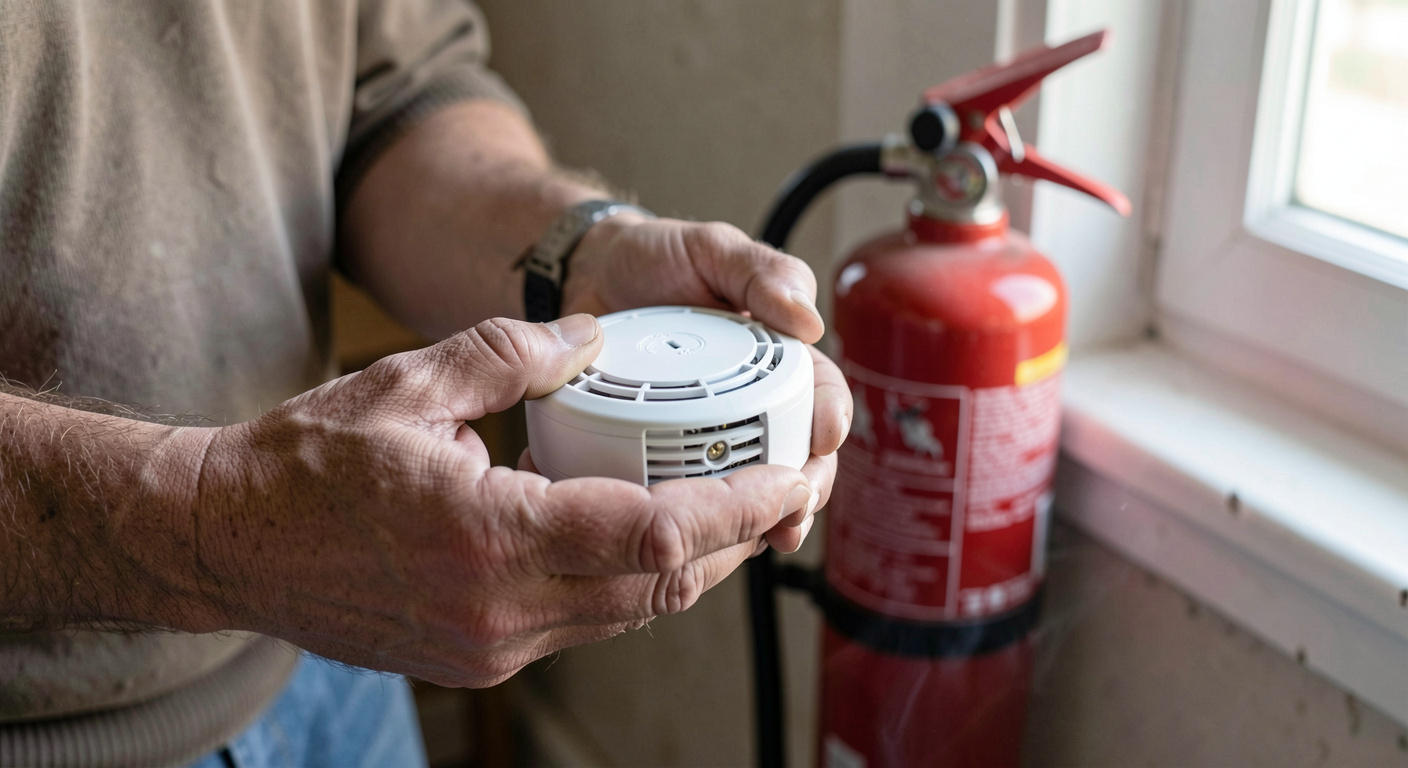
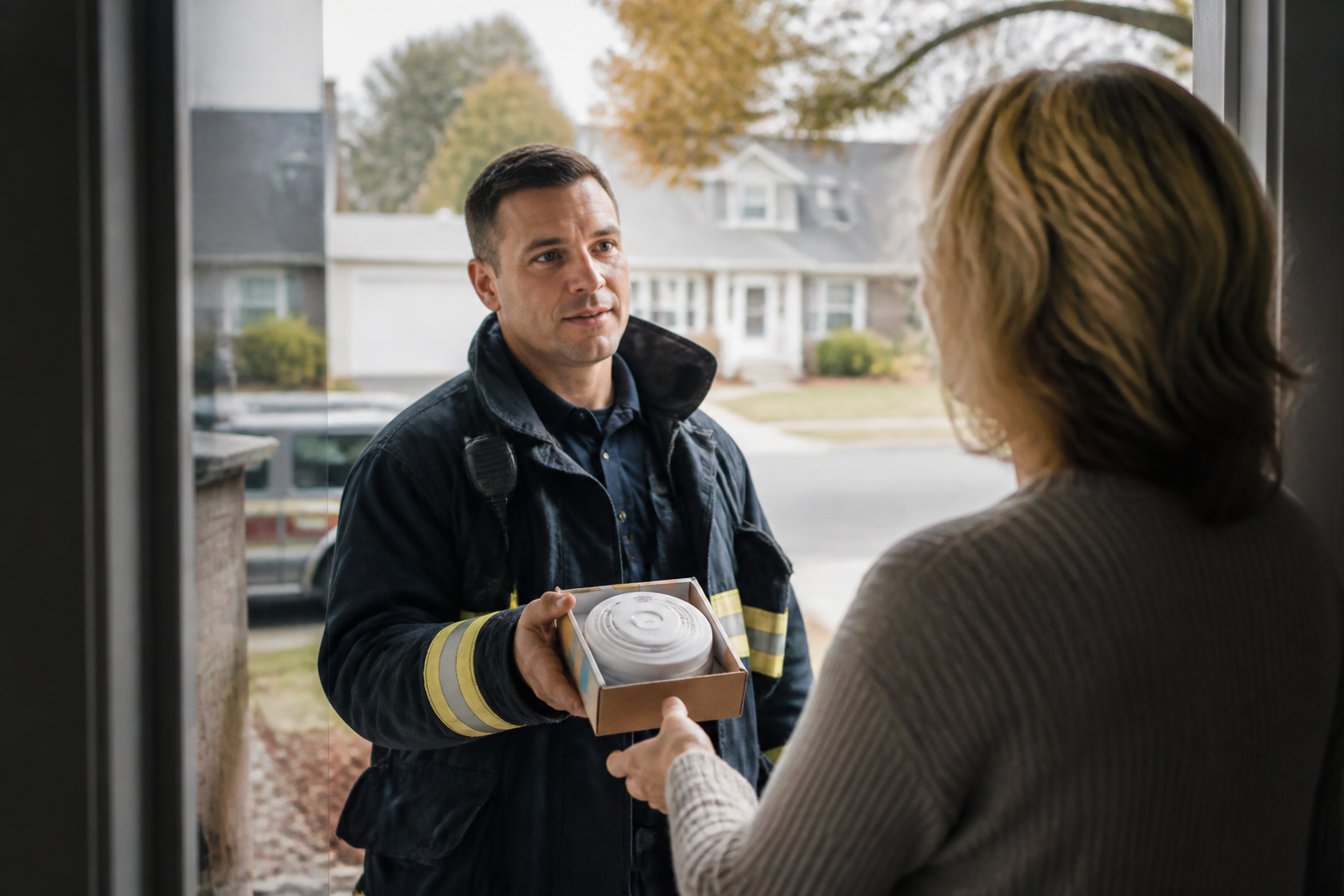
- Your fire department's non emergency line. They will tell you whether they run a free alarm programme, whether they do home safety visits, what your local code requires and whether they run a youth fire setting programme. They are the single most useful contact on this page and almost nobody calls them.
- Your state fire marshal's office. Good for: state level requirements for rented housing, alarm distribution schemes, and who enforces what.
None of these are emergency contacts. In the United States, call 911. This site is not staffed and cannot help with anything happening now.
How to check a claim on this site
- Find the rule in the guidance published by the agency or standards body named above, not in a shopping guide.
- Check it against the instruction sheet for your own model, which always wins over a general rule.
- Check your local code, because states and cities add requirements, particularly for rented housing.
- If something here contradicts any of those three, they are right and this page is wrong. Tell us and it gets fixed.